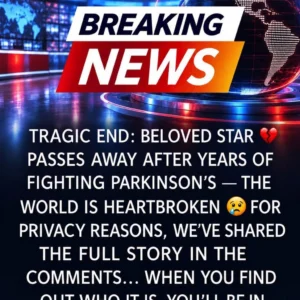
Panic spreads faster than truth.
One broken headline, one cropped screenshot, and a stranger’s life can collapse before the first fact appears. We are living inside weaponized outrage, where feelings outrun evidence and algorithms feast on our worst impulses. Someone is always cashing in on the cha… Continues…We now inhabit a feed where the sharpest fragment wins and the full story rarely survives the scroll. Headlines are sliced to provoke, images are framed to accuse, and context is treated like an optional extra instead of a basic requirement. In that environment, every impulsive share becomes part of a machine that can turn anyone into a villain in an afternoon.
But this isn’t hopeless. A few small habits can slow the damage: pausing before sharing, opening the article instead of reacting to the preview, checking dates, sources, and basic plausibility. These are not grand gestures; they are small acts of loyalty to reality over spectacle. When enough people choose curiosity over reflex, the outrage economy loses power. In a culture built on fragments, insisting on the whole story becomes a quiet, radical form of care.