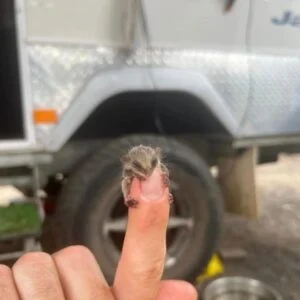
Finding that tick feels like a horror scene in slow motion. Your mind jumps straight to Lyme, paralysis, even death. You see the tiny body, imagine the worst, and feel the bottom drop out of your stomach. But this moment does not have to end in panic. What you do in the next few minutes—how you touch, pull, clean, watch, and reac…The sight of a tick on your child can feel like a verdict, but it is really a call to act—calmly and quickly. Most bites never lead to serious illness. Removing the tick promptly with fine-tipped tweezers, cleaning the skin, and writing down when and where it happened transforms chaos into a plan. A simple photo of the tick and bite can later help your child’s doctor weigh the true risk.
The days that follow are about awareness, not obsession. A small red bump right after removal is usually just irritation; what matters is whether it spreads, changes, or is joined by fever, fatigue, headache, or strange behavior. You do not need to assume disaster, but you also should not ignore a child who looks or acts unwell. Thoughtful monitoring, honest communication with a healthcare professional, and practical prevention steps offer something fear never can: real protection and peace of mind.