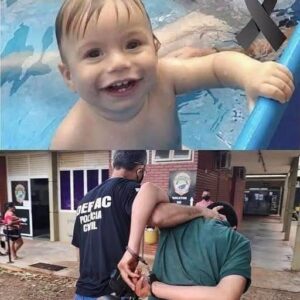
A sensational headline claiming that a famous public figure was “confirmed” in Los Angeles can spread rapidly online, attracting thousands of clicks before anyone verifies the facts. Words like “breaking,” “20 minutes ago,” and “just revealed” create urgency and curiosity. However, a photograph or viral social-media post cannot prove that an event actually happened. Images may be genuine but taken out of context, while old family pictures can be reused to support misleading claims. Readers should examine the original source, publication date, official statements, and independent reporting before accepting dramatic celebrity stories as confirmed news.
Social-media algorithms can amplify sensational content as users click, comment, and share. Yet popularity does not guarantee accuracy, and a large number of reactions cannot turn an unverified rumor into fact. Before sharing a dramatic claim, search reputable news organizations, investigate the photograph’s original context, and look for credible evidence supporting the headline. Be especially cautious about stories involving health, deaths, relationships, arrests, or private family matters, because false claims can cause genuine emotional harm. If reliable sources cannot independently confirm the alleged event, it should remain unverified. In today’s digital world, pausing to check the facts is essential to preventing misinformation from spreading.