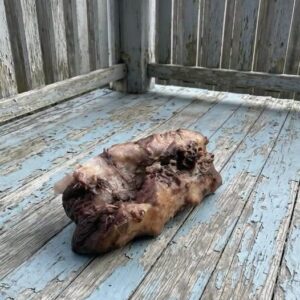
An unfinished arrest claim sent suspicion racing ahead of the facts. A fragment about a California man allegedly arrested for selling meat invited disturbing guesses, yet offered no name, date, charges, or reliable source. As readers searched for answers, the crucial question remained unanswered: was there a documented case behind the alarm, or just a headline stripped of cont… Continues…
The material provided describes a circulating allegation, not an established criminal case. Its central suggestion—that someone in California was arrested for selling meat—arrived without the information necessary to check it. There was no identified law enforcement agency, official record, or attributable reporting. The account described concerned reactions and speculation, but those responses cannot establish what happened. Most importantly, nothing supplied confirmed that the meat was unsafe, unusual, or connected to any particular offense.That gap leaves room for fear to become mistaken certainty. Readers may remember the disturbing implication long after forgetting how little evidence accompanied it, while an unidentified person becomes the subject of imagined wrongdoing. The appropriate conclusion is neither that the allegation is true nor that it has been disproved. It remains unverified. Reliable reporting or official documentation would be needed to move this story beyond suggestion and give readers a fair basis for judgment.